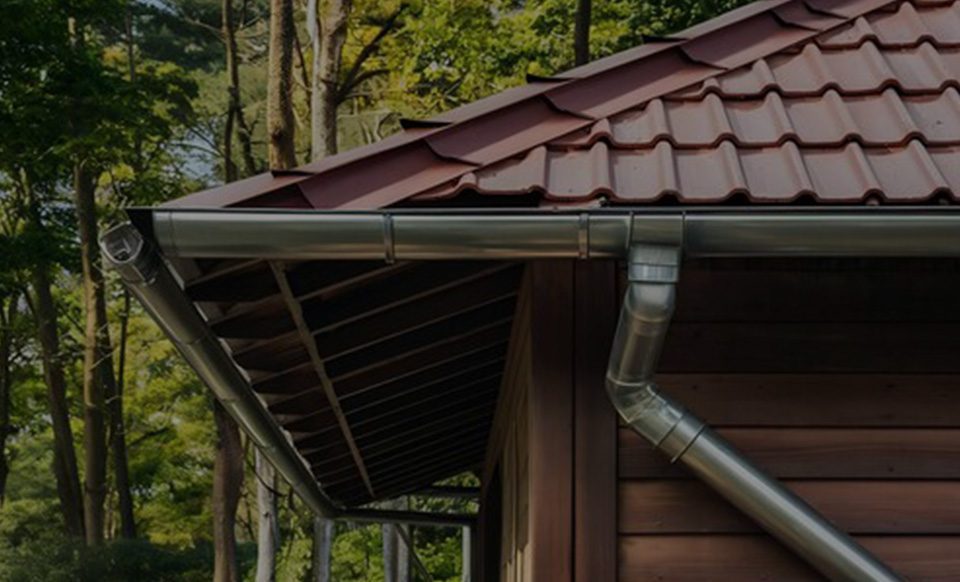
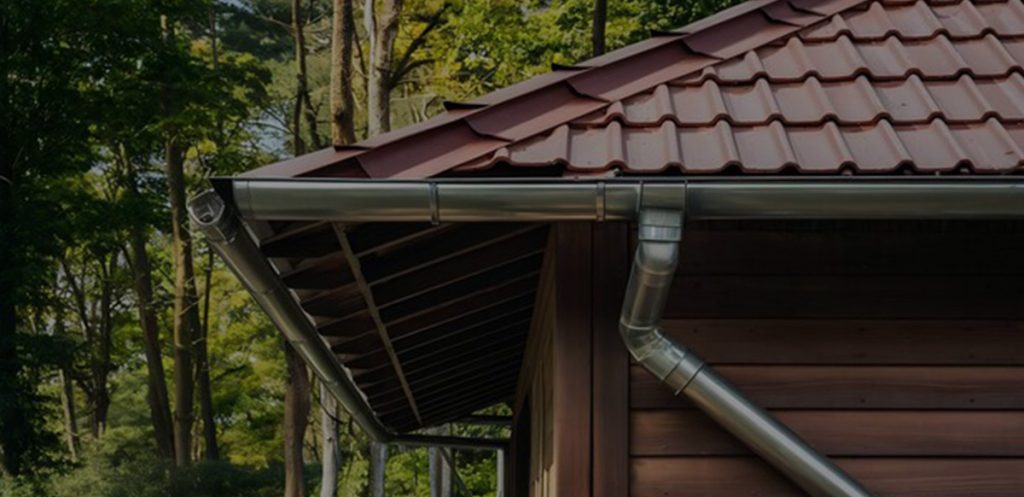
Gutters play an essential role on the roof. They are responsible for efficiently draining rainwater from the roof, protecting the facade and walls from water damage. Whether you own a large or small house, it’s important to inspect your roof and check the condition of your gutters.
Houses located near trees are particularly susceptible to clogged gutters and downspouts. Over time, gutters collect debris, such as sediment from the roof, leaves, insects, and other materials carried by the wind.
Properly cleaned and unclogged gutters prevent rainwater from overflowing down the facade, thereby avoiding streaks on the walls. If neglected, this can lead to dampness inside the house.
How often should gutters be cleaned?
Gutters should be inspected and cleaned at least once a year, particularly before winter, or more often if needed.
Cleaning the gutters before winter is especially important. Clear gutters reduce the risk of water blockages caused by melting snow on the roof. They also help prevent the formation of icicles and ice dams. Regular gutter cleaning in winter minimizes the costs of snow removal and significantly reduces the need for repairs. If gutters are left clogged during a snowy, cold winter, they may become damaged, especially in the first year of a building’s operation.
Is cleaning only necessary for old gutters?
Cleaning gutters and downpipes is essential not just for older systems – modern gutters can also become clogged and inefficient over time, just like older ones.
How to clean gutters?
Gutter cleaning involves two steps: cleaning the gutters themselves and unclogging and flushing the downpipes and inspection separators.
The most effective method for removing blockages is using a pressure washer or a garden hose. This also allows you to check if the downpipes are clear. If they are clogged with leaves or other debris, they must be cleared, even if some parts need to be temporarily dismantled.
Not just cleaning, but also repairing…
If you notice water leaks in the gutters or downpipes, this indicates that a component may be cracked and needs to be replaced. You can use self-adhesive bituminous, rubber, or silicone tape, or roofing sealant, especially where gutters and downpipes connect. This type of repair is only possible for metal gutters.
Sometimes, damaged sections may need to be replaced with new ones. Small damaged parts can be repaired yourself by unclipping the cracked sections and inserting new ones. You can also tighten or adjust the hooks that support the gutters and the clamps that secure the downpipes.
However, when the damage involves a larger section of the gutter system, the entire roof drainage system may need to be replaced. The ability to carry out a DIY repair depends on how the system is installed. For systems connected with seals, you can easily dismantle the damaged parts and install new ones. If the components are permanently connected—soldered or glued—you’ll need the proper roofing knowledge and tools to seal galvanized steel gutters through soldering or replace them with new components.
Replacing the entire gutter system, including the connecting fittings, is often a complex task because it usually requires dismantling part of the adjacent roof covering. This type of work should be handled by experienced roofers.
And paint… to protect against rust
If you discover scratches on steel gutters, it’s important to paint them to prevent corrosion. Special mortar paints can protect the system from rust. It’s best to paint all the elements of the gutter system so that the color difference isn’t noticeable and the old, weathered gutters get a fresh look.
Gutter filters – an alternative to cleaning?
You can prevent gutters from becoming clogged by using gutter filters. These filters allow water to flow through while blocking debris such as leaves, moss, twigs, and dirt that could otherwise clog the gutters and cause costly damage. By installing filters, you can save time on cleaning and avoid the hassle of dealing with clogged gutters.